
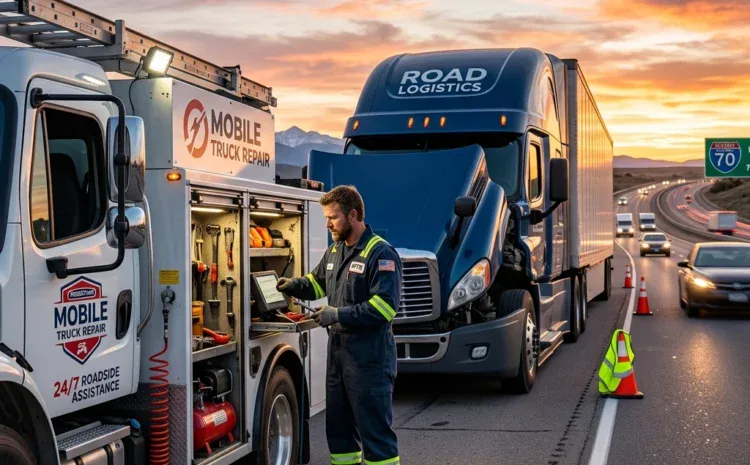
The Ultimate Guide to Mobile Semi Truck Repair: Everything You Need to Succeed on the Road
For fleet managers and owner-operators, every minute a semi-truck sits idle on the shoulder is a minute of lost revenue. The logistical chain is unforgiving, and downtime is the ultimate enemy of profitability. In the past, a mechanical failure meant an expensive tow, days of waiting at a crowded shop, and missed delivery windows.
Today, mobile semi truck repair has transformed from a niche convenience into a strategic operational necessity. By bringing the shop to the truck, businesses can slash downtime and maintain a competitive edge. This guide explores how to leverage mobile repair services to ensure your fleet remains operational, compliant, and profitable.
The Business Case for Mobile Repair: ROI and Efficiency
The primary driver behind the shift toward mobile services is operational stability. When you calculate the true cost of a breakdown, you must look beyond the repair invoice. You have to factor in the towing fee, the driver’s hourly rate while waiting, potential late-delivery penalties, and the opportunity cost of the next load.
Mobile repair eliminates the “dead time” associated with towing. By utilizing emergency repair services, you effectively bypass the queue at traditional brick-and-mortar facilities. This proactive approach to maintenance and repair ensures that your assets spend more time on the road and less time taking up space in a repair bay.

Comprehensive Services: What Can Be Fixed on the Road?
A common misconception is that mobile technicians are only equipped for “quick fixes” like jump-starts or tire changes. In reality, a modern, fully-equipped mobile service unit is a rolling diagnostic center. Expert technicians can handle approximately 80% to 90% of common mechanical issues right where the truck is parked.
1. Advanced Engine and Performance Diagnostics
Mobile units are now equipped with the same high-level diagnostic software found in stationary shops. This allows for real-time troubleshooting of turbochargers, fuel injectors, and heavy-duty aftertreatment systems. Whether it is a forced DPF regeneration or clearing complex fault codes, mobile technicians can resolve performance issues without a shop visit.
2. Driveline and Transmission Support
Issues with the transmission, differential, or driveline don’t always require a full teardown. Mobile experts can address transmission and driveline issues such as universal joint replacements, seal leaks, and electronic shifting malfunctions on-site.
3. Brake and Suspension Systems
Air brake failures are one of the leading causes of roadside inspections going south. Mobile technicians can perform full brake, suspension, and steering repairs, including chamber replacements, air line repairs, and shock absorber installations. This ensures the vehicle is safe and compliant before it moves another mile.
4. Specialized On-Site Services
Advanced mobile providers like Schimpfs Garage LLC offer specialized services that go beyond basic repair. This includes mobile tri-axle alignment services and even on-site 5th wheel removal and installation. These services allow for precision maintenance that typically required a specialized facility.
Navigating DOT Inspections with Mobile Support
A surprise roadside inspection can be a major hurdle. If a DOT officer finds a safety violation, they may issue an Out-of-Service (OOS) order. Once a truck is placed OOS, it cannot legally move until the specific violation is corrected.
Mobile repair is the fastest solution to an OOS order. Instead of paying for a tow to a nearby shop (which may or may not be open), a mobile heavy-duty truck repair unit can arrive at the inspection site. By correcting lighting issues, air leaks, or tire problems on the spot, the technician helps you clear the OOS order quickly, allowing the driver to complete their route with minimal delay.

DIY vs. Professional Mobile Service: Knowing When to Call
While many drivers are capable of performing basic tasks, it is vital to recognize when a professional is needed. Attempting a complex repair without the proper tools or environment can lead to secondary failures or safety hazards.
Tasks Drivers Can Often Handle:
- Replacing a standard light bulb or fuse.
- Topping off fluids (coolant, oil, or DEF).
- Replacing worn windshield wiper blades.
- Basic visual inspections of belts and hoses.
When to Call Schimpfs Garage LLC:
- Active Fault Codes: If the dashboard is lit up, you need professional diagnostics to find the root cause.
- Air System Leaks: Air brakes are complex; a small leak can indicate a systemic failure.
- Electrical Gremlins: Modern trucks use complex multiplexing systems that require specialized testing equipment.
- Emissions Issues: Any issues involving the DPF, SCR, or EGR systems require professional cleaning or calibration to prevent “limp mode.”
Strategic Preventive Maintenance at Your Location
Mobile repair isn’t just for emergencies; it is a powerful tool for preventive maintenance (PM). By scheduling routine maintenance at your yard or warehouse while the trucks are naturally staged, you eliminate the need for drivers to transport vehicles to a shop.
Mobile PM services typically include:
- Oil and filter changes for both heavy and light-duty engines.
- Comprehensive general maintenance inspections.
- Fluid analysis to detect early signs of engine or transmission wear.
- Greasing the chassis and checking the 5th wheel.
This proactive approach ensures that minor issues are caught before they become catastrophic roadside failures. It transitions your fleet management from a reactive stance to a strategic one.

Critical Safety Considerations for Roadside Repairs
Safety is the non-negotiable priority of any roadside service. Operating on a semi-truck near active traffic carries significant risks. Professional mobile technicians follow strict safety protocols to protect themselves, the driver, and the equipment.
- Proper Lighting and Signaling: Mobile service trucks use high-visibility strobes and reflective marking to create a “safety zone.”
- Energy Isolation: Before working on any system, technicians ensure the battery is disconnected or the system is depressurized.
- Stability: When performing tires and wheel alignments or suspension work, technicians use heavy-duty jacks and stands designed for the weight of a loaded semi.
By hiring a reputable service like Schimpfs Garage LLC, you ensure that these safety standards are met, reducing your company’s liability and ensuring the job is done right the first time.
Choosing the Right Mobile Repair Partner
Not all mobile services are created equal. When selecting a partner to support your fleet, look for the following criteria:
- Response Time: In an emergency, speed is everything. Inquire about their typical arrival times for your primary routes.
- Tooling and Technology: Ensure they have the diagnostic software for your specific engine makes (Cummins, Detroit, Paccar, etc.).
- Transparency: A reliable partner provides clear documentation of the repairs performed, the parts used, and the findings of their diagnostics.
- Versatility: Can they handle both the tractor and the trailer? Do they offer specialized services like electrical and AC repair?

Conclusion: Staying Mobile is Staying Profitable
In the modern trucking industry, reliability is your most valuable asset. Mobile semi truck repair is the bridge between a breakdown and a successful delivery. By integrating mobile diagnostics, on-site maintenance, and emergency roadside support into your operational strategy, you protect your bottom line and your reputation.
At Schimpfs Garage LLC, we specialize in keeping heavy-duty trucks moving. From complex engine and exhaust performance issues to routine PM, our team is dedicated to providing the reliable, on-site support you need to succeed on the road. Don’t let a mechanical failure stall your progress: partner with a team that understands the urgency of your business.