Buying a Used Box Truck or Dump Truck? Get It Inspected Before You Sign Anything
A used work truck can look ready to earn its keep: clean paint, a freshly washed engine bay, and a seller who says it’s been well maintained. But appearances and a confident sales pitch don’t tell you what’s happening inside the engine, beneath the frame, or in the systems you’ll depend on every workday.
Before you hand over money, arrange a professional pre purchase inspection. It can help you spot existing problems, understand likely repairs, and make a decision with useful information, not guesswork.
A quick look is not a heavy-duty inspection
Walking around a truck and kicking the tires can reveal obvious damage, but it can’t tell you whether the brakes hold air, the steering has excessive play, or the aftertreatment system has a history of trouble. A clean exterior can also make rust, leaks, or previous repairs harder to notice.
The seller’s service paperwork is worth reviewing, but it isn’t a substitute for an independent inspection. Records may be incomplete, and even a detailed history can’t confirm the truck’s current condition.
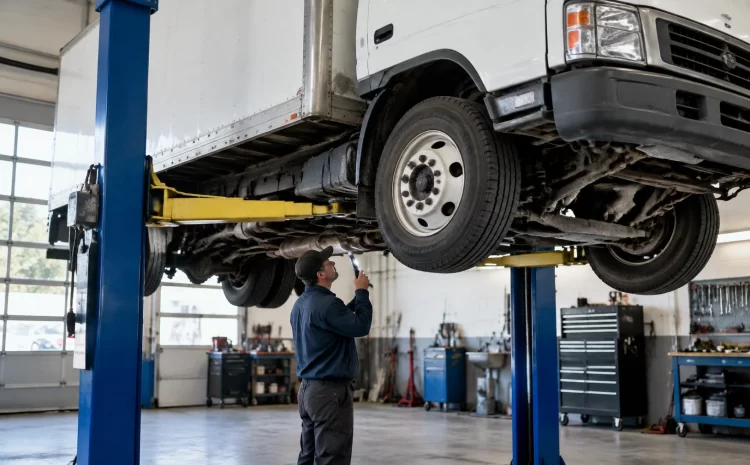
A proper inspection goes beyond a quick visual check. Depending on the truck and the equipment available, it may include examining the underside on a lift or checking it thoroughly from below, testing important systems, scanning for diagnostic information, and documenting findings. The goal is to understand the truck as a whole, not just confirm that it starts and moves.
What a commercial pre-purchase inspection should cover
Every truck has its own history and configuration, so the inspection should fit the vehicle you’re considering. These are some of the areas worth reviewing before a purchase.
Frame, engine, and cold-start behavior
The frame is a good place to look for signs of hard use or past damage. A technician can check for cracks, corrosion, bent sections, and repairs that may point to a collision or heavy loading. Pay particular attention to areas around major mounting points and components that carry stress.
Ask that the truck be started from cold, not pre-warmed before you arrive. A cold start can reveal slow cranking, unusual noises, excessive smoke, rough running, or warning lights that may not be as noticeable once the engine is warm. Observe how it starts and settles into an idle, and have a technician assess any signs of blowby or unusual crankcase pressure.
The condition of the oil and coolant matters, too. Look for leaks and signs that fluids may be contaminated. These observations don’t diagnose a problem on their own, but they can flag concerns that deserve closer attention.
Aftertreatment, brakes, and running gear
For a diesel truck, ask about DPF and DEF service history, warning lights, diagnostic codes, and regen behavior. A truck that has frequent regens, unresolved emissions warnings, or repeated aftertreatment repairs may need further investigation. A scan and review of available records can add context that a short road test won’t provide.
The brake inspection should include more than a glance at the visible components. On an air-brake vehicle, the air system should be checked for proper build-up and leaks, along with the brakes themselves. Tires, wheels, and wheel ends also deserve a close look. Uneven wear, damage, or signs of looseness can point to issues that affect safety and add repair costs.
Suspension and steering should be checked for wear and excessive play. A technician should also assess the driveline and differential for leaks, damage, unusual noise, or other signs of trouble. Electrical and charging systems matter as well: a weak charging system or intermittent fault can create problems that are easy to miss during a brief test drive.
For systems related to maintenance and inspections, see Schimpfs Garage’s general maintenance and inspection services. The brakes, suspension, and steering service page and engine, exhaust, and performance page offer more detail about those areas.

Check the truck’s working equipment, too
A commercial vehicle isn’t just an engine and a cab. Inspect the equipment that makes it useful for your business, and consider whether it has been maintained to suit the work you plan to do.
If you’re buying a dump truck
Have the hydraulic system, hoses, fittings, and cylinders checked for leaks, wear, or damage. The hoist and dump bed should be assessed through their operation, including the PTO that powers the hydraulic system. Watch for abnormal noises or movement, and have a technician inspect the bed, hinges, pivot points, tailgate, and latches.
Look closely at the frame for stress or damage consistent with heavy loads. A dump truck may appear to operate normally while having wear in areas that matter under work conditions. Don’t treat a brief demonstration as proof that the hoist and hydraulics are in sound condition.
If you’re buying a box truck
Check the box floor, walls, and roof for damage, rot, gaps, or signs of water intrusion. Look for staining or dampness that could point to a leak. Open and close the doors, and test the ramp or liftgate if fitted. Ask for liftgate service history and have its operation and condition reviewed rather than assuming that a working switch means the equipment is ready for daily use.
Review the history alongside the inspection
Before signing, ask for available service records and compare them with what you see on the truck. Check that the vehicle identification information matches the paperwork. If it has an hour meter, consider engine hours alongside the odometer reading; mileage alone may not tell the full story about equipment that spends time idling or operating while stationary.
Ask what kind of work the truck did before it went up for sale. Delivery routes, construction work, stop-and-go operation, and other demanding uses can leave different wear patterns. Review DOT inspection history where applicable, and follow up on any gaps, repeated findings, or repairs that are not clearly documented.
A seller’s answers are useful background, but they should be considered alongside an independent assessment, not instead of one.
Use the findings to make your decision
A pre-purchase inspection isn’t simply a pass-or-fail verdict. A written record of findings can help you decide what to do next:
- Negotiate if the inspection identifies repairs or maintenance you’ll need to address.
- Walk away if the condition or risk doesn’t make sense for your business.
- Budget for known repairs if you still want the truck and understand what it needs.
Ask questions about findings you don’t understand. A clear explanation can help separate immediate concerns from items to monitor or plan for. If you’re looking up “commercial truck repair near me” or “heavy duty truck repair near me” because the seller’s truck needs work, make sure you understand the scope before committing to buy it.
An inspection reduces uncertainty, but it can’t predict every future failure or guarantee a trouble-free truck. It’s a practical way to make the purchase with a clearer picture of the vehicle in front of you.
Get an independent look before you buy
Whether you’re adding a box truck to a small business, buying a dump truck for a construction operation, or expanding a fleet, an inspection can help you make a more informed choice. Schimpfs Garage LLC in Somerdale provides service for commercial vehicles, including box trucks, dump trucks, semis, and equipment. The team brings over 60 years of combined experience and serves customers in South Jersey and the tri-state area.
Schedule a pre-purchase inspection before you sign. Book an appointment, contact Schimpfs Garage, or call (856) 280-1274.